Sewing Tips: What is Selvage, Bias and Grain?
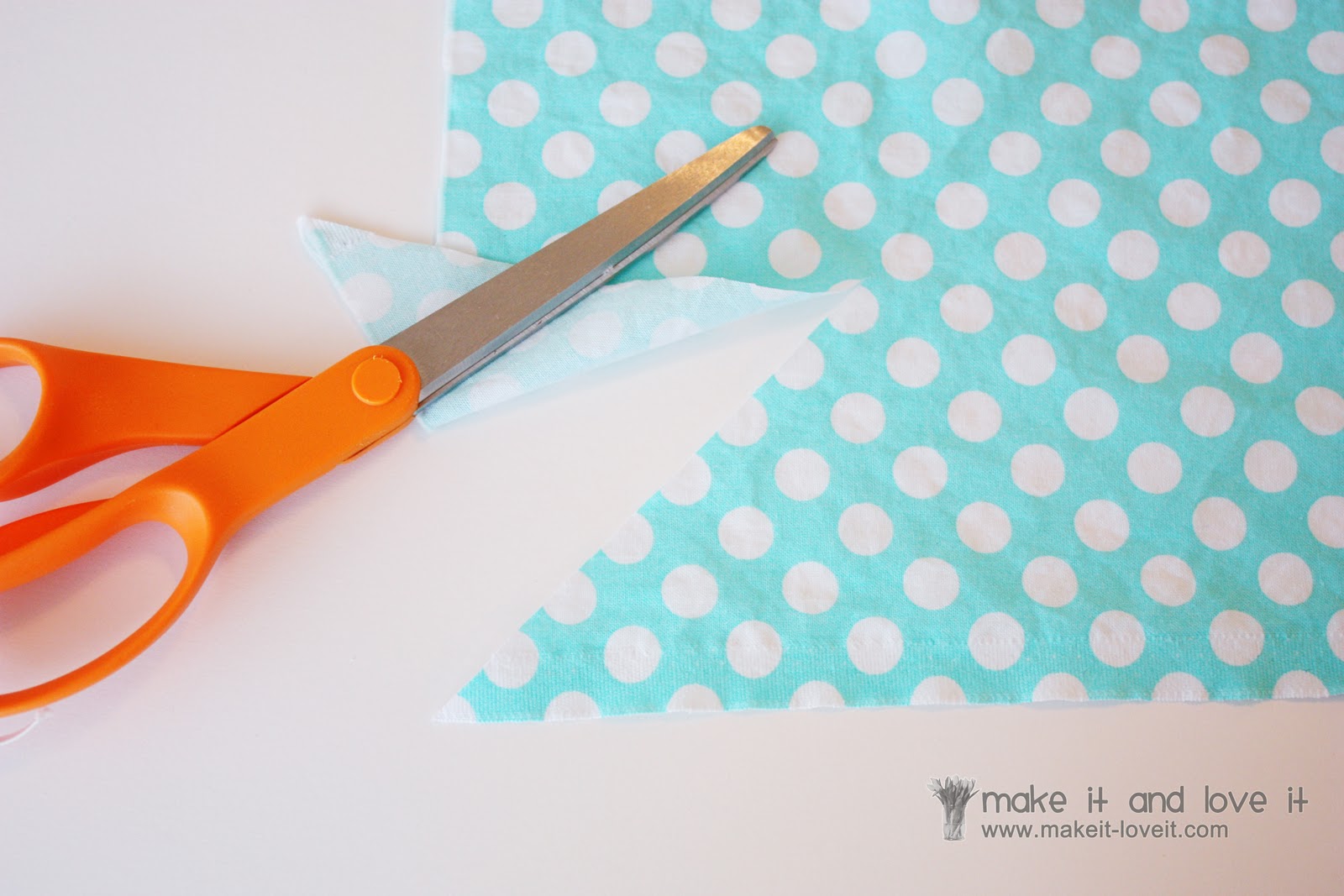
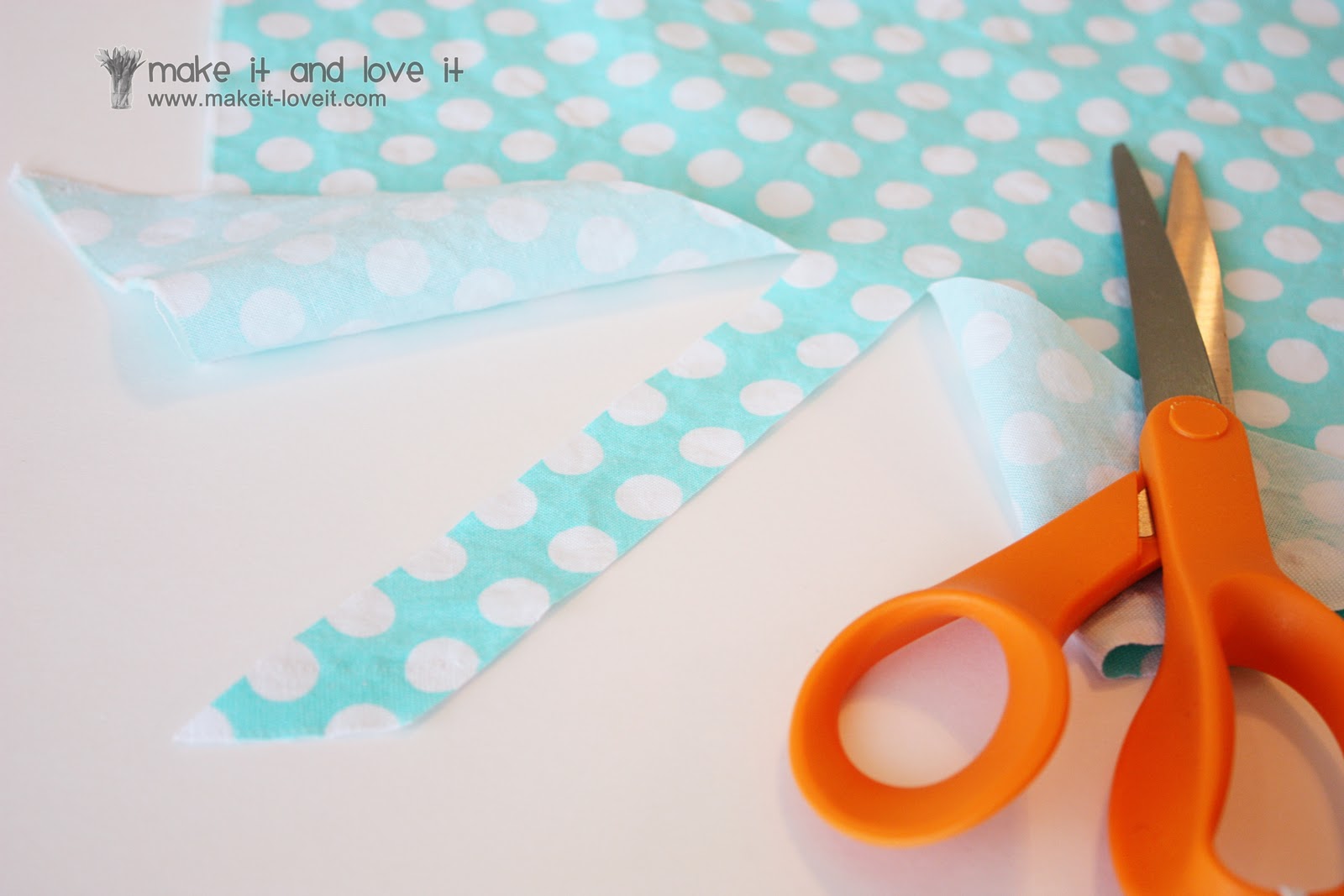
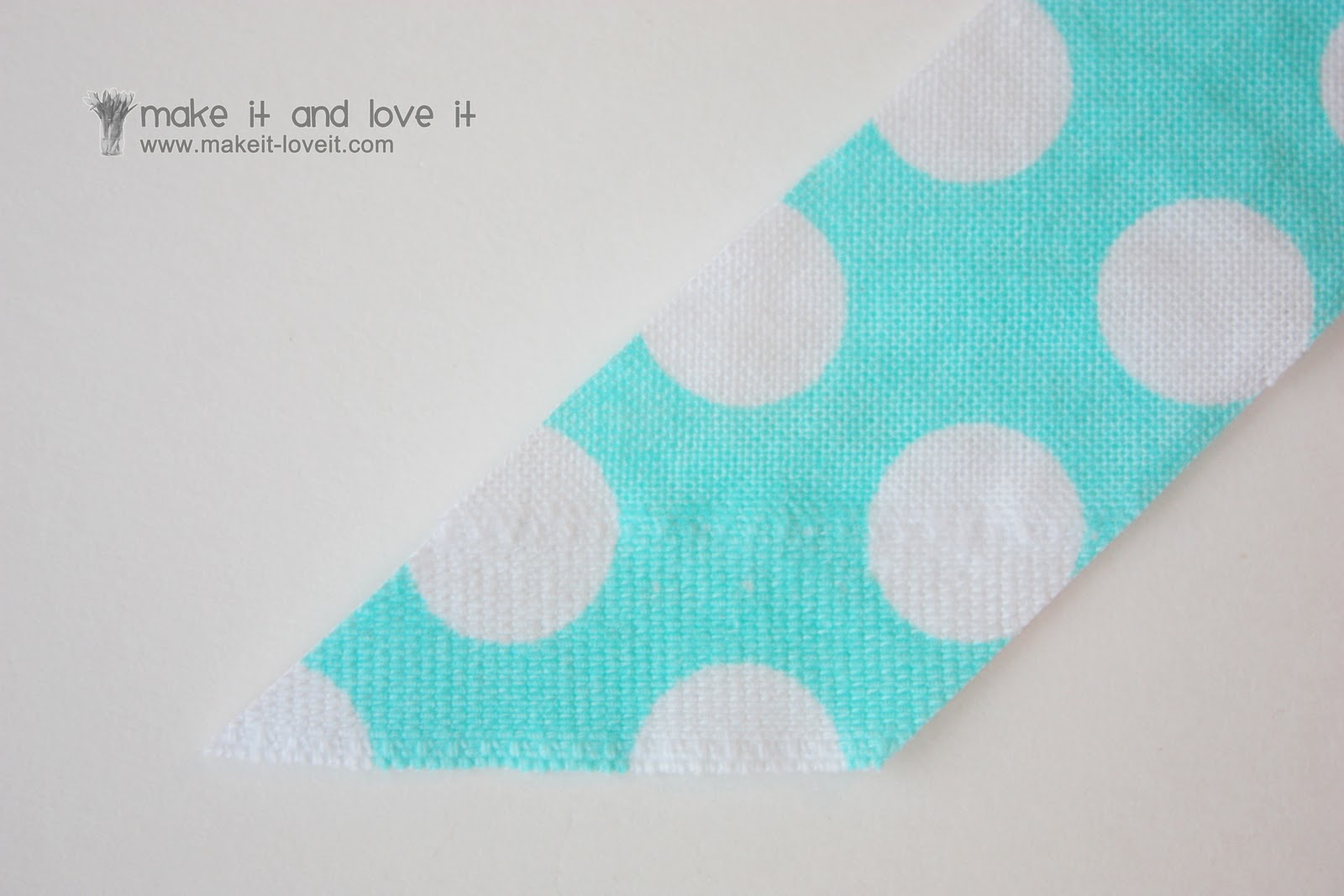
Then if you cut a parallel cut next to the original cut, you can create a strip of fabric cut on the bias. (Just keep cutting it to make it as long as you need.)
[...] some of your own if you don’t use the original stuff. (Need help making bias tape? Click here.) Now slide your cover onto your seat…….it should fit exactly the same way your [...]
[...] cut a long strip of your faux leather that is cut on the bias. (Learn more about bias here.) Cutting it on the bias will help it stretch and contour around the sole. My strip was about [...]
[...] create 4 long strips of bias tape. (What’s bias tape? Click here.) I made mine by cutting out 4 long strips of fabric that were 2 x 20 inches. Then I folded [...]
[...] Now, you’ll need to decide on the size of your pockets. And then sew 1/4 inch double fold bias tape to the top edge. (What is bias tape? Click here.) [...]
[...] Now, you’ll need to decide on the size of your pockets. And then sew 1/4 inch double fold bias tape to the top edge. (What is bias tape? Click here.) [...]
[...] Then attach some 1/4 inch double folded bias tape to the edges. (More on bias tape here.) [...]
[...] Then sew the satin lining pieces together at the sides and shoulders and then make some bias tape out of the same satin fabric and sew that around the arm holes and neckline. (More on Bias Tape here.) [...]
[...] Trim the bottom edges just a bit and then add a bit of bias tape along the bottom edge. (I made my own bias tape out of the same stretchy stuff but it was a little difficult to fold. So I didn’t fold it on the underneath side……only the top edge where you could see. More on bias tape here.) [...]
[...] Next, cut some strips of fleece on the bias (so that they curve) are wide enough to be sandwiched around the top and bottom edge of the neck and arm holes. I cut my fleece about an inch wide. I also used a strip of bias-cut white fleece along the white section of the neckline and then black for the rest. I didn’t tuck each edge under like bias tape because the fleece doesn’t fray……and it would be really bulky for me to try and tuck all those edges under. (Confused about cutting bias-cut strips? Click here.) [...]
[...] Cut some strips of bias-cut fabric that are about 1 1/4 inch wide. (Need help with bias cut? Click here) [...]
[...] cut up some 1 inch wide fabric strips, on the bias. (Need help with cutting on the bias? Click here.) Cutting things on the bias keeps your fabric from fraying. The edges will soften up a bit and [...]
[...] online. Piping is made with a cord and a strip of fabric that is cut on the bias (more on bias here). So if you can find the right color of bias tape that you need……use that, it’s [...]
[...] edges of each arm cut out inside the fold of your bias tape. (Need help with making bias tape? Click here.) Repeat with all 4 arm cut out sections. (To make my narrow bias tape, I started with a strip [...]
[...] that I cut off the top, I made some thin strips of fabric. (I actually folded it just like I do when making bias tape and sewed it closed. I can get a more narrow piece of fabric this way. Because the more narrow [...]
[...] crease, then iron flat. This creates a “bias-tape” type fold. (Bias tape tutorial here for more visual.) Then sew each strip [...]
[...] Then I sewed it in place. You could also use double fold bias tape or you could make your own bias tape. I was just too lazy! [...]
[...] I turned my long strip into a really big piece of double fold bias tape by folding the large strip in half lengthwise and pressed, then I opened it up and folded the raw [...]
[...] For the neckline, you’ll need 2 strips of fabric that are 1 inch wide, a few inches longer than the length of each neckline, and are cut on the bias. (What’s the fabric bias??) [...]
[...] 2: Fold the fabric in half so that the selvages match up. Cut a 9″ strip for the cuff. (When you unfold the fabric, you’ll have a piece [...]
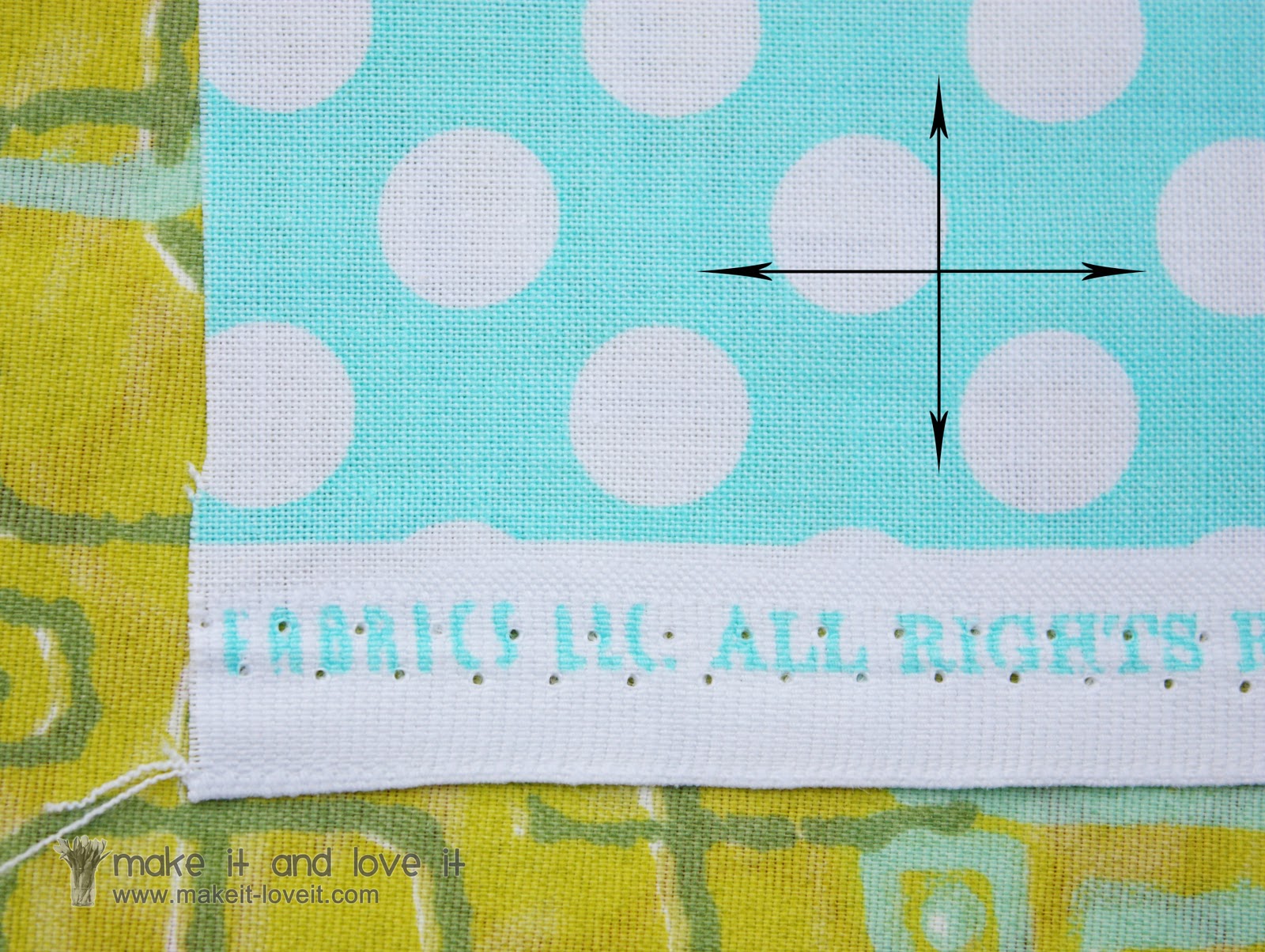
[...] to be 1½-inches thick, so here my measurement is going to be three inches. Measure from the selvage (aka the finished edge of the fabric) and mark with a [...]
[...] are as long as you need your laces to be. I cut my strips on the BIAS for several reasons. (Need help with cutting on the bias?) First of all, strips cut on the bias will curve better and I wanted my laces to go through the [...]
[...] Bias Tape (I used 1/2 inch wide, double fold…..but 1/4 inch wide, double fold would also work…….you can also make your own bias tape) [...]
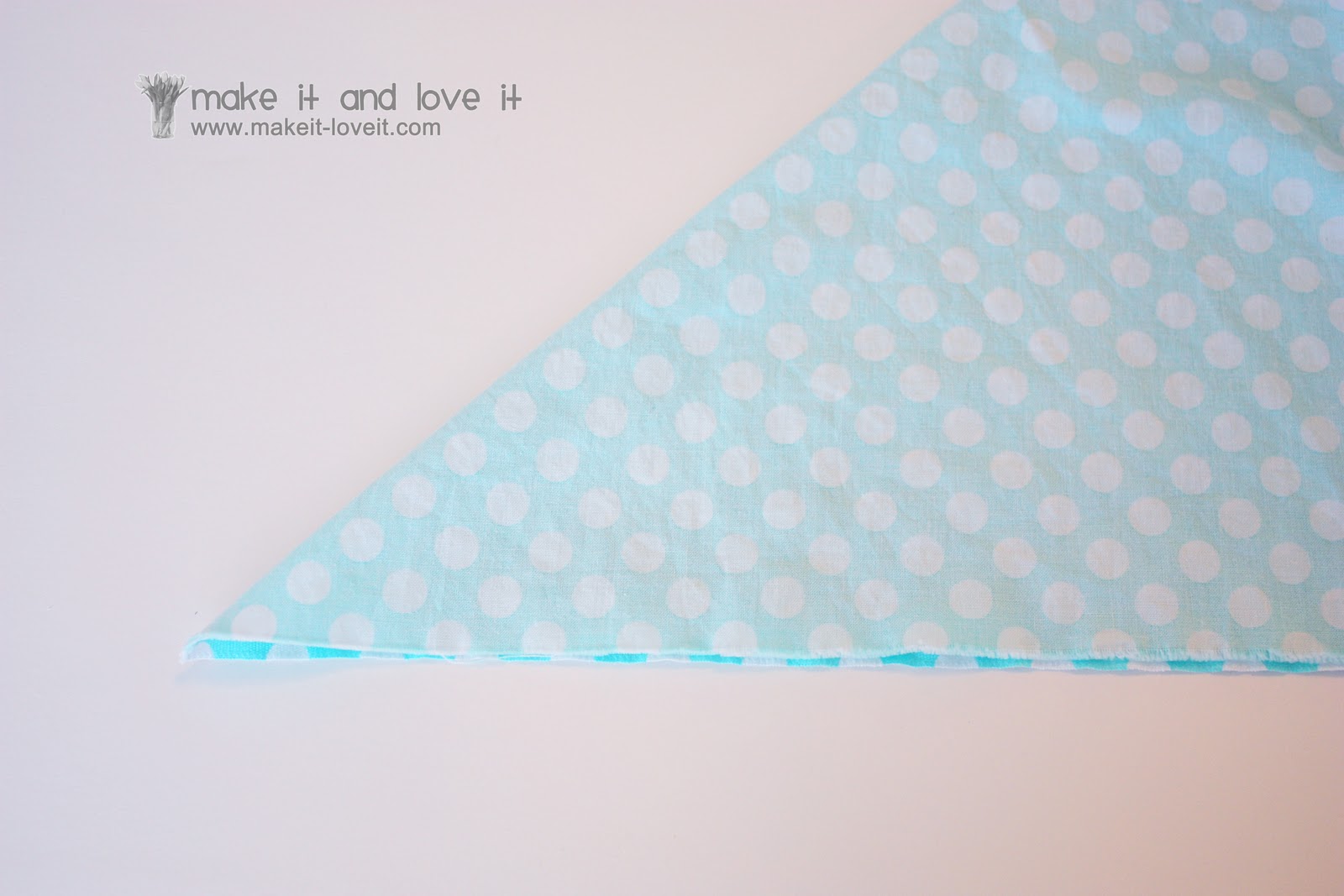
[...] the name suggests, bias tape is cut on the bias of fabric; that is, it is cut at a 45º angle to the selvage. You can buy [...]
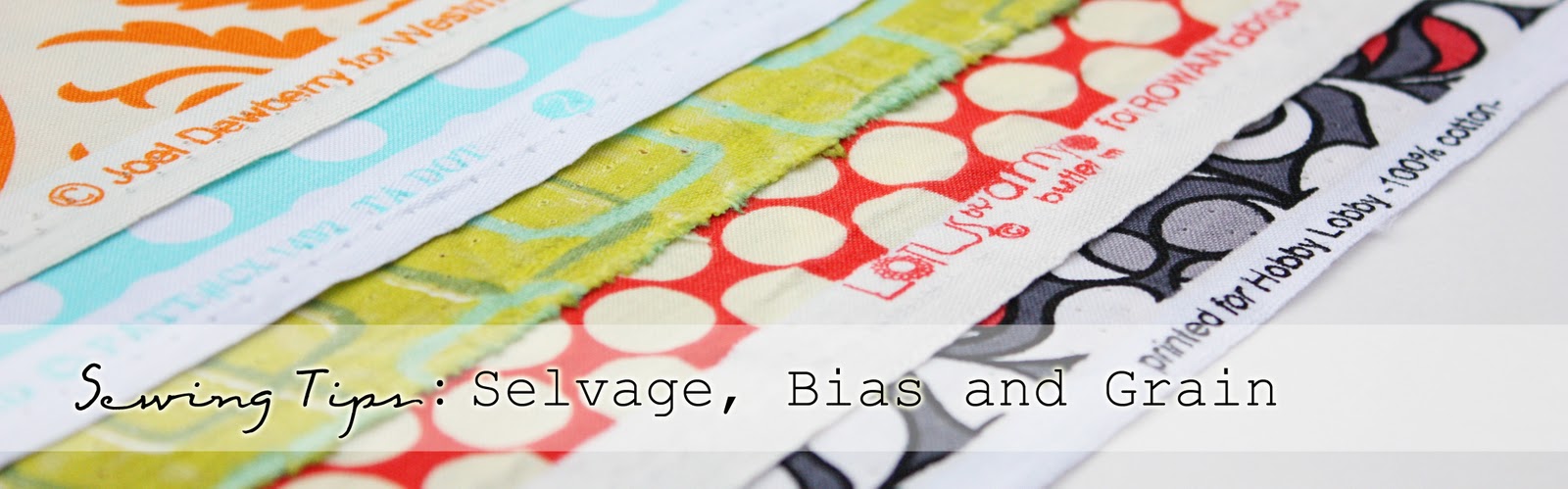
[...] didn’t know, all fabrics have a designer, collection title, and specific name printed on the selvage. This particular fabric was designed iōta, which means “a very small amount”. This was [...]
[...] Use the slevage edge, this will be your straight edge from which you will make your first measurement. Arrange the [...]
[...] Then, because this fabric is so stiff (and would have been hard to sew into a tube and turn right side out), I folded it in half lengthwise, opened it up, and folded those edges in towards that center fold and ironed again. You know, just like making Bias Tape. [...]
Thank you!
Thank You!! Much needed information for someone who is really interested in sewing, but gets confused!! This would be me, lol!
Reading a pattern can be like reading a foreign language! Which then in turn makes you feel like some kind of moron who can't sew! Thanks for the easy to understand tips!
Julie, I’ve been sewing for almost 60 years (I was only 3 months old at the time, of course…lol), and I still find myself looking at the pattern as a whole and thinking “I can never do this.” The important thing is to only look at one step at a time. FORCE yourself to do this if you must, because it will save your sanity! If you feel like a moron, ignore that feeling…..you’re really just confused…..8-)
xo Linda
than you so much!!!!
Thanks!
Thank you very much; this helps a lot!
I remember these terms from when I was a kid and my aunt tried to teach me to sew. It didn't take and now I want to learn again this was a great primer thanks.
I am a sewer but not an avid sewer and I never knew what the bias was! Thanks! It all makes sense now!!
awesome post! thanks for this… I was still always a little confused about the bias.
Thank you, I claim to be able to sew but I never understood those "technical" terms nor was I able to fully use my sewing abilities until now. People tried to teach me, even way back in sewing class during high school, but this was the best explanation to make it simple and straightforward without going over my head. Yay, thanks again!
Thanks so much for the tips!
Stephanie@ Redberrycrafts.blogspot.com
Thank you very much, it makes more sense now. I'll go look at the other tips.
Love the sewing tips! What does nap mean? Like if a pattern calls for any fabric with nap? I've asked a couple other people and just got confused!
I think nap is a pattern. Say if you are sewing with fabric that has flowers on it, then that is sewing with a nap. I think. Nap is some kind of design in your fabric.
From About.com:
“Definition: A fabric with nap is one what usually has a pile and will look different shades from different angles. Velvet and velour fabric are prime examples of fabric with nap. When cutting out fabric the with nap and the without nap directions are usually different to allow all of the with nap pattern pieces to lie in the same direction. Fabric with a one way design will also use the with nap cutting layout.”
From Wikipedia:
“Primarily, nap is the raised (fuzzy) surface on certain kinds of cloth, such as velvet. Nap can refer additionally to other surfaces that look like the surface of a napped cloth, such as the surface of a felt or beaver hat.”
And from Wiki Answers:
“a fabric with a textured surface that looks different depending on how it is viewed or positioned. Faux furs, velour, velvet, suedes (real and synthetics), and some fleeces have a nap.
Read more: http://wiki.answers.com/Q/What_is_a_napped_fabric#ixzz26CtF3CFL”
Hope that helps!
I am still wondering if bias tape is always necessary. I have seen tutorials use bias tape for straps of aprons or garments. Can a strip cut along the grain and folded in do the job as well? The reason I ask is because fabric cut on bias always ends up with lot more scraps than cut along the grain. Thanks in advance.
Hi ppags
I too think so but as Ashley pointed out if we cut along grain it will bulge and one thing you can do is cut several bais strips using small cloth and join them together you will get good length of bias strip.. Thats what I have observed tailors do…
@Ashley lovely tutorial… Hope to learn sewing from your blog… Thank You very much
Once I found bias tape, I fell in LOVE!!! Thanks for all of the great tips!!
Thank you so much for this information. I'm sharing with my quilting group because some of us are very new to sewing and could use these definitions/examples. Thanks for sharing!
so helpful! Maybe I can try a pattern out someday now.
Thanks! I'm getting ready to do my first project. I need to just bite the bullet and do it but I'm kind of scared. lol
I feel exactly the same way!!! Once both kids are in school in the fall full time I am going to just have to bite the bullet too!!
Tutorials like this one are wonderful and so easy to understand!!
any chance you could post about how to alter women's pants, particularly from the inside seam?
your tutorials are super helpful.:) i can't find anything anywhere that doesn't just say, 'take your pants, pinch an inch and sew…' which i tried, about 5 times, and ruined a pair of pants as this never worked.
Wow, things make so much more sense now!
just went back and read ALL of them and loved every one! These are great tips and the photos really helped me out lol I am such a visual learner! Just wanted to say thanks
How helpful! Thank you so much! I've never really understood those terms, but now I think I do. :)
FABULOUS!!! Where were you when I had to teach a bunch of ladies in my ward about this! LOL! WAY TO GO!
Now if I could just get over my fear of using my sewing machine… ;) Great tutorial! Thank you!
thank goodness for blogs with pictures which usually helps when they throw these terms out to you…and thanks for Make it & Love it:)
Ruthie:)
SA TX
this does help. thanks!
I have to thank you for posting this,it was very helpful to me.I can sew some pretty nice things.but when it comes to the lingo of sewing i don't always know what things mean.thanks a bunch.
Great!! THanks! I'm so glad I found you blog and am following you now. :)
The first couple of times I tried to make a bias binding it was a horrible time. Finally I found a way to do it that is a little confusing but once you get it is a great way to make a TON of binding that is cut on the bias. Here is the tutorial I made for it:
http://www.honeybearlane.com/2010/08/making-binding-tutorial.html
I love your sewing tutorials!
Thanks for explaining those. I just purchased my very first sewing machine (well, second…but I broke the first one before I really could ever use it) and have had a problem with 'bird-nesting' in the bobbin that goes underneath. I just don't get what I'm doing wrong. I have gone through several times to make sure I've got everything up top where it is supposed to be…that it's tightened and whatnot…but it still does it. Any tips? I'm kind of at a standstill here.
An important thing about grain is to follow the grainlines on your pattern (the line with the arrows at the top and bottom) because fabric does have some give in one direction and if you do not follow the grain/grainline, your garment or project may stretch and be wonky and not look right.
Reading a pattern IS a foreign language!
I've been sewing a few years and you made some things clear, thank you!
I just want to know where you got that fabric. My tiny little Joann's does not have fabric that cute. Where can I find some?
Thanks, this DOES help so much! Really easy to understand for a novice. Thanks for compiling the great descriptions and visuals :-)
Thank you for that great info! As I've discovered, sewing is a new language. Your tips really help!
Thank you so much for this post! I'm actually getting ready to attempt my first ever quilt for my son's birthday and this has already helped a ton!
That is just wonderful! I have been trying to figure that out for a while now, and you made it so I actually understand it.Thank you so much!
Elesa –
I have purchased that fabric from all different places…..but here is a rundown of what types they are:
The orange damask is: Joel Dewberry, rose damask in orange
The blue polka dot is: Michael Miller, Ta Dot
The red polka dot is: Amy Butler, Lotus Full Moon Polka Dot Cherry
The Black fabric I got at Hobby Lobby
The Green was a clearance fabric at WalMart
Hope that helps!
Ashley
I just found your blog today and I'm in love :). Plus, I used that black/grey with hint of red fabric in the top pic of the post for my girly's christmas dress. <3
Thank you!! You make everything so simple to understand! Now I feel more confident to enter the world of sewing!
It's like the clouds have parted! Thank you for that simple, easy to understand explanation!
A few weeks ago I won a nice sewing machine, hoping to learn how to sew fun stuff for our home I jumped right in. But it isn’t coming to me as quickly as it has for other women… so these tutorials are awesome! I really appreciate your taking the time to post them. For newbies like me that are hands on learners this is perfect!
That is the first time I have understood what the terms bias and grain ACTUALLY mean. I had an idea, but just couldn’t wrap my head all the way around it until now. THANK YOU so much for a detailed, yet simple, explanation. I will be much happier in my sewing now.
Thank God for the internet. I finally understand how to locate the grain!!!! I will read the rest of the articles.
You are wonderful!!
LOVE it! I am going to attempt making a carseat cover for my daughter following your directions. With little experience with a sewing machine, this should be fun..lol! Thanks so much for sharing this info! It was extremely helpful!
Thank you so much for such an informative article! I have always wanted to try using Bias Tape, and now, I feel I can! :) It’s always scared me away.
Thank you . You did a great job explaining the selvage. What a wonderful website you have made. Keep up the good work.
Cathie
I was having trouble deciding whether to cut my border on the bias or not, and this has answered my question for me. Thank you for the help. This is my first quilt, and I have been working on it for months and picking up tips along the way, but it has not been the easiest because I started out winging it, without much thought about how to do it. I have finally finished up the blocks today, and am ready to start the borders to join them, but not knowing how to bind it, I came to my favorite source of tips..and thank you; I found the info I needed…Thanks again
brenda
Is my computer playing up or is there no text on this blog entry?
NO one ever so clearly explained these three terms. Well done!
I really like your plain & simple approach to defining terms in the “layman” terminology LOL I also appreciate you bunching the words up together to give definitions where they are interrelated to one another when actually sewing :) BIG HELP FOR ME!
I began sewing not too long ago and was glad to read these instructions. Good info and very clear to me.
Thanks,
Thank you!!!
Thanks so much for this information and the wonderful pictures that accompany it!! I am really apprehensive about sewing even though I really want to learn and having this blog makes it seem a little more attainable!! :)
I know this is an old post, but I was just skipping around–I do have one suggestion for this post, about bias tape. I learned the hard way that when you make your own, it’s a good idea to spray it with starch before ironing it (to create the folds that will go around the edges of your project). Before I did that, it didn’t stay creased, flopped all over, and was utterly frustrating. Use spray starch, and lots of it!
Wow! I was just looking at this today too. I’ve been sewing for years, have a project that needs red piping and all the red i’ve found is “to red” So I am going to make it myself. Thanks for the spraystarch tip.
That is simply the BEST explanation I have ever had on selvage, grain, and bias. My sister, an accomplished quilter, has explained it to me at least 20 times and I still didn’t get it. And now, as I’m trying to make a costume for my daughter … voila! You provide me with a straightforward visual example and explanation of what they all mean. Thank you SO much! (I really didn’t want to try to ask her again! LOL)
That’s very well explained. English is not my mother tongue and when I read word like “bias” ,”selvage”… I wasn’t very sure I had really understood. Thank you!
Awesome!! I have a brain injury and haven’t done any sewing in a while. Looking for a creative project I bought fabric & pattern, organized them and panic! The brain injury will cause me to look into my knowledge for things I know and find uncertainty where confidence should be. Thank God I found you to clarify my thoughts and confirm that I do in fact know what I thought I knew. hehehe You rock.
What an excellent post! This helps me tons!!
Thanks
Thank you!!!!!!!!
Thanks for this info.. I’m a “learn as I do” with sewing and this info was much needed.. :)
Thanks so much this helped so much I am. Making my first dress!
Thanks I’m making my first dress ever.
Hi Ashley,
What a great teacher! Supportive, informative and most importantly — explain everything so clearly and simply that a novice, like me, can understand every word AND get so much confidence.
Thank you Miss Ashley.
I plan to read these notes over and over until I don’t need to keep referring to them each time I am working on a project.
Thank you — so sweet of you to share your expertise.